

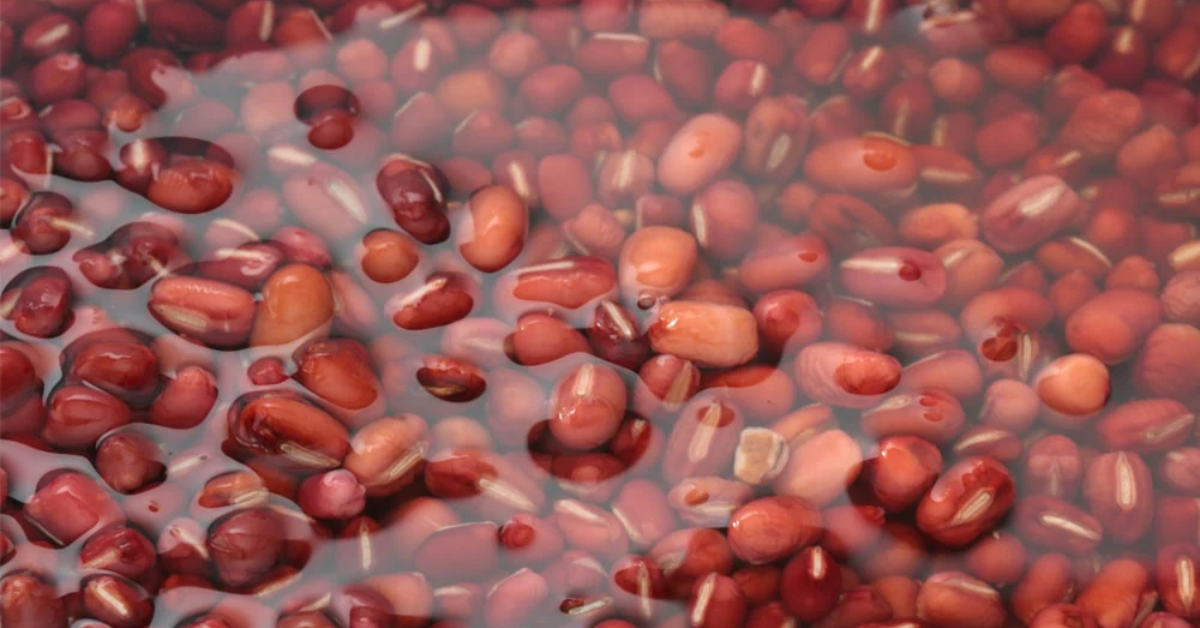
Legumes are a great food that provides us with important nutrients. Regular consumption of beans and other pulses can reduce the risk of obesity, diabetes, heart disease and some types of cancer. One of the main benefits of soaking dried beans is that they take less time to cook. According to research, this time is often reduced by 20 to 38 percent.
Soaking also improves their texture. Dried beans contain 12 to 14 percent moisture. When you soak them in water, their volume doubles, and the high moisture content makes them soft. The thickness of the bean seed coat indicates how quickly they absorb water.
Remember, if beans are soaked in hard water, which is high in minerals, they may have difficulty softening. Minerals like calcium and magnesium in hard water make them difficult to soften. To overcome this problem, use distilled water or add a little salt or baking soda to the water.
Soaking dried beans also makes them easier to digest. This is because beans contain a type of undigested carbohydrate called “oligosaccharides” that can cause gas and bloating. Our bodies don’t have the enzymes to break down oligosaccharides. When dried beans are soaked, some of the oligosaccharides leach into the water.
Similarly, soaking beans reduces the amount of lectins, a type of plant protein, and phytates, a major form of phosphorus found in plant seeds. Lectins and phytates are called “antinutrients” because they interfere with the absorption of iron and zinc and can cause nausea and stomach upset. The beauty of dried beans is that they have a very long shelf life. However, they should be used within a year or two of purchase. After that, their quality decreases.
There are different ways to soak beans. The first step in each method is to rinse and clean the beans in cold water to remove any stones, stems, and leaves. The overnight soaking method involves putting the water and beans in a pot, adding an additional two inches of water to cover the beans, and leaving them in the refrigerator or an open area for eight to twelve hours.
The quick soaking method involves putting the beans in a pot, covering them with water, adding an additional two inches of water, and boiling them for three minutes. Then, turn off the heat and soak them for an hour. After soaking, the water should be discarded so that you don’t reabsorb the compounds that were previously removed. Rinse the beans with fresh water and use the new water to cook them. Remember, if you cook dried beans in a slow cooker or pot, the temperature won’t be high enough to inactivate the lectins.
If you didn’t plan to soak your beans in advance, don’t give up on your best plan to eat them. Beans are an excellent source of protein, fiber, folate, potassium, iron, and health-promoting antioxidants. They’re also good for the environment because they fix nitrogen in the soil.
You can cook dried beans without soaking them. You’ll still get their nutritional benefits, but they’ll just take longer to cook. Or you can use canned beans, which are just as nutritious as dried beans. However, they’re higher in sodium. That’s why experts recommend draining them into a bowl and rinsing them before using them in soups, stews, salads, or other dishes. This rinsing process reduces about 40 percent of the excess sodium. By the way, low-sodium canned beans are also available.

Comments are closed, but trackbacks and pingbacks are open.