

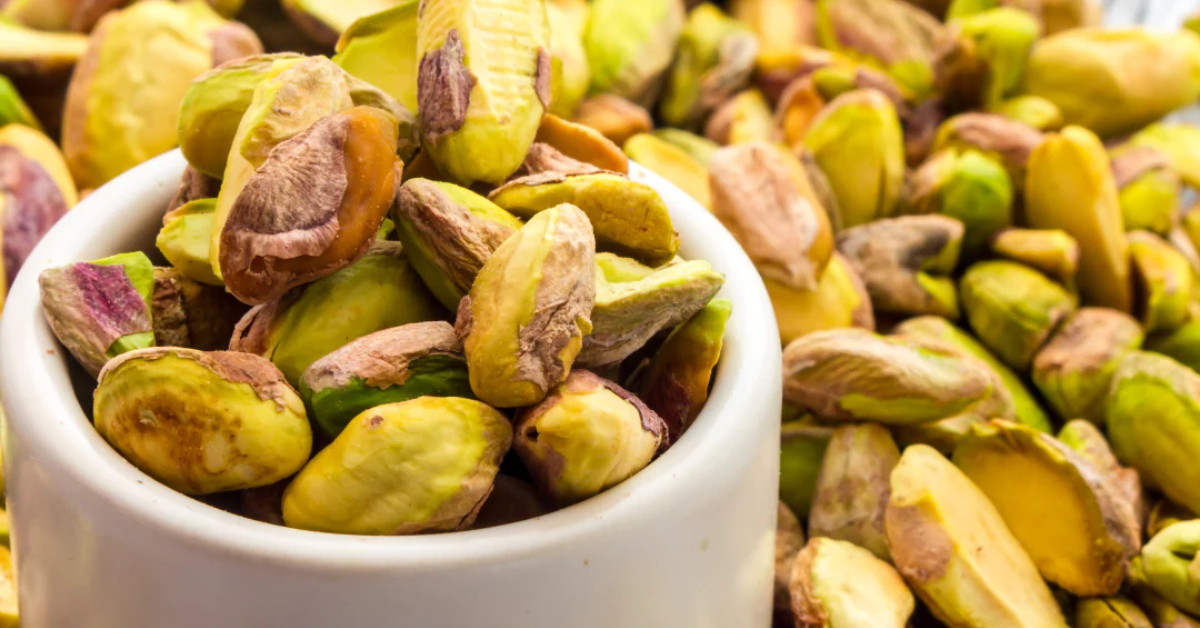
Pistachio: The International Atomic Energy Agency (IAEA) has said that it has developed a new nuclear technique with its partners to detect aflatoxin, a deadly and carcinogenic compound found in pistachios, which is fast, cheap, and effective, to make the popular fruit safer around the world.
According to a report, the UN agency said in its weekly report that more countries are adopting this technique.
Today, pistachio benefits are more popular than ever, with major producing countries including Iran, the United States, and Turkey. More than one million tons of pistachio color were produced worldwide in 2022, and as demand increases, so too are concerns about aflatoxin.
These are chemical compounds that are produced by fungi and can contaminate crops. Aflatoxins were discovered in the 1960s and are considered carcinogenic compounds, which can cause liver failure and tumors if consumed over a long period of time.
“The technique is fast and inexpensive and does not require a full-fledged laboratory, which means it can be used in the workplace, in emergencies, and in countries that need it most,” said Christina Vlacho, head of the IAEA Food Safety and Control Laboratory (FSCL).
Experts at FSCL, based in Seibersdorf, Austria, have successfully developed a toolkit that can detect aflatoxins in resource-limited environments.
The technique involves electrical conductors made of ceramic, printed with carbon-based ink, and embedded with a sensor that detects four different types of aflatoxin.
When the sensor is placed in a device called a potentiostat, it sends out a slight electrical signal in the presence of aflatoxin, which can then be recorded by a mobile phone.
According to the IAEA, the method is capable of detecting aflatoxin at concentrations 150 times lower than the permitted limit, and the technique has also been confirmed by definitive tests such as liquid chromatography and tandem mass spectrometry.
The pistachio shell normally protects it from external contamination, but during ripening, the shell cracks, allowing mold and insect attack and increasing the risk of aflatoxin formation and contamination.
Aflatoxins are usually not visible to the naked eye, but visible signs of mold on pistachios include the presence of black or inky brown spots or streaks on the skin or kernel.
Traditional testing for these toxins is expensive, time-consuming, and requires skilled technicians and expensive equipment.
The IAEA has warned that climate change could accelerate the spread of contaminants such as aflatoxins.

Comments are closed, but trackbacks and pingbacks are open.